
If you’ve been “floxed,” you’re not alone. “Floxed” is the term patients use for a serious reaction to fluoroquinolone antibiotics like Cipro, Levaquin, and Avelox, medically known as fluoroquinolone toxicity, or in more severe cases, Fluoroquinolone-Associated Disability (FQAD).
Symptoms can feel sudden and hard to explain, and standard tests often come back normal. Dr. Ghalili, who was floxed himself, puts it plainly: “There’s no pharmaceutical drug that’s going to fix the mitochondrial damage. This is widespread damage to your body, and there’s no magic pill.” That’s the starting point for everything below: real recovery, not a quick fix.
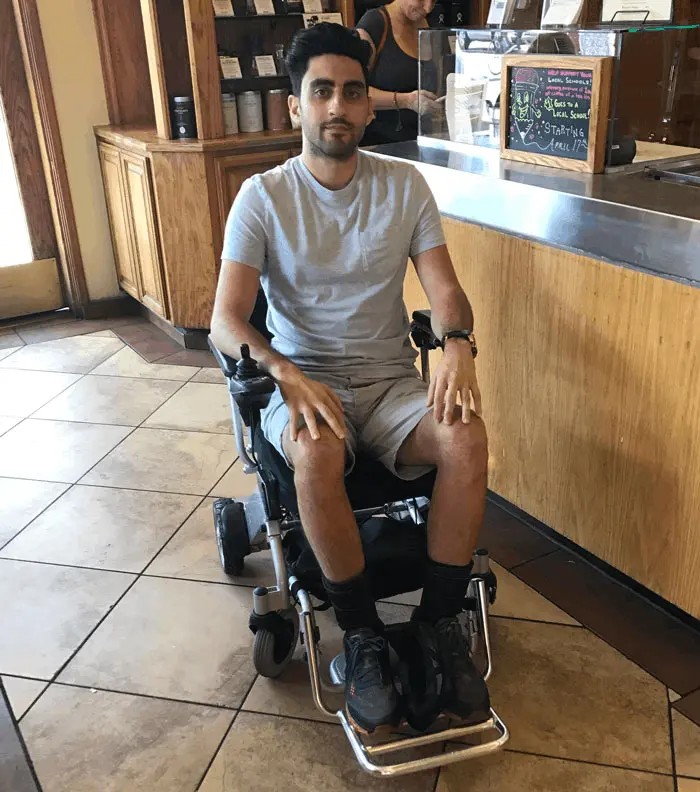
Being “floxed” means your body has had an adverse reaction to a fluoroquinolone antibiotic that can affect multiple systems at once, including your nerves, tendons, brain, and heart.
These reactions are not rare anomalies. They are serious enough that the FDA has issued multiple black box warnings over the years.
These warnings confirm what many patients already know firsthand: these drugs can cause long-lasting, systemic damage in certain individuals.
The symptoms of being floxed can vary widely and often shift over time. Many patients describe it as their body “changing week to week.”
Common symptoms include:
Important: Symptoms often don’t appear on standard lab tests, which is why many patients are initially told nothing is wrong.
Fluoroquinolones don’t just treat an infection. They can also disrupt your mitochondria, the structures inside your cells that produce energy. When mitochondria are damaged, cells throughout the body, especially in tendons, nerves, and muscle, can’t function or repair themselves the way they normally would.
Cipro in particular has also been shown to increase an enzyme (MMP-2) that breaks down collagen, the protein that gives tendons, ligaments, and connective tissue their strength. That’s a big part of why tendon and joint symptoms are so common, and why they can take longer to heal than a typical injury: the underlying building blocks are breaking down faster than your body can replace them.
This is also why fluoroquinolone toxicity so often doesn’t show up on standard blood work or imaging, even though what you’re feeling is very real. The damage is happening at the cellular level, not in a way routine tests are designed to catch.
If you think you’ve been floxed, acting early can make a difference.
Step 1: Stop the antibiotic (if you’re still taking it)
If symptoms began after starting a fluoroquinolone, speak with your prescribing doctor immediately.
Step 2: Support your body early
Based on Dr. Ghalili’s own clinical experience treating fluoroquinolone toxicity patients, the following can help in the early days:
These are general starting points, not a substitute for personalized medical guidance, especially if you’re taking other medications.
Step 3: Know when you need more help
If your symptoms are severe, worsening, or not improving, you may need a more advanced, targeted approach. Seek medical attention promptly if you notice any of the following:
At Regenerative Medicine LA, we focus on addressing the underlying damage caused by fluoroquinolone toxicity, including mitochondrial dysfunction, nerve injury, and connective tissue breakdown.
Learn more about our fluoroquinolone toxicity treatment program
As someone who has personally experienced fluoroquinolone toxicity, I want every patient to understand: there is no magic bullet, but there is a path to recovery. The damage affects your mitochondria, connective tissue, and nervous system, which is why most patients begin with an intensive two-week phase, after which Dr. Ghalili reassesses with each patient whether to continue into weeks three and four based on how they’re responding.
When you come to us, you can expect to be heard, not dismissed. We’re not interested in handing you a pill to mask your pain. Our goal is to find and treat the underlying cause, and help your body actually repair and regenerate.
Every protocol is customized based on your history, physical exam, and dominant symptoms. Some patients are dealing mostly with musculoskeletal damage, others with neurological symptoms, and many with both. Treatment is built around whichever combination applies to you.
IV Infusions
IV infusions are geared toward replenishing nutrients that are diminished from fluoroquinolone exposure. Patients typically receive high-dose IV therapy every other day, with rest days in between for non-IV supportive therapies.
Strict Supplement Protocols
Every patient is unique and experiences different symptoms. A customized mitochondrial rebuilding program will be created for you.
Repairing Damaged Mitochondria
Detoxification strategies followed by rebuilding will be implemented to provide you with the best chance of overcoming fluoroquinolone toxicity.
Diet Protocols
Important diet lessons with certain foods and supplements to avoid can be a lifesaver preventing another floxed episode. Providing you with the knowledge of which.
Most patients begin to notice substantial improvement from the effects of fluoroquinolone toxicity within 90 days.
Recovery looks different for every patient, and Dr. Ghalili is careful not to promise a fixed success rate. What counts as a win is defined by the patient, not the clinic. Someone who hoped to return to competitive sports may not get all the way there, but regaining the ability to walk without a wheelchair, sleep through the night, or think clearly again is still a real, meaningful success. The goal is the best achievable quality of life for that individual: less pain, more mobility, better mental clarity, and cells that are functioning again.
One concept Dr. Ghalili returns to often with patients is what he calls cumulative toxic burden. Two people can take the exact same fluoroquinolone and have completely different reactions, because how “floxed” someone becomes often depends on more than just the drug itself: the dose and length of the course, whether steroids or NSAIDs were used before or after, and other mitochondrial stressors already present in the body. Looking at the full picture, not just the antibiotic in isolation, is often the key to understanding why a reaction happened and how serious it really is, and it’s part of why some patients react severely after just one or two pills while others don’t.
Levaquin toxicity (levofloxacin) tends to be more severe reactions than Cipro toxicity (ciprofloxacin), and dosing is a big part of why. Levaquin is commonly prescribed at 750 mg once daily, compared to 500 mg for Cipro. That higher single dose places a greater toxic burden on the liver to clear, and can be enough on its own to tip someone into a severe reaction. Despite the dosing difference, Dr. Ghalili treats both with the same overall protocol.
Age doesn’t rule out treatment. Dr. Ghalili has treated patients in their 90s for fluoroquinolone toxicity, though older patients typically start with more conservative dosing, and treatment begins only after confirming there’s no underlying congestive heart failure and that the body can tolerate IV therapy well. Learn more about cipro side effects in the elderly.
I’m not just treating this condition. I’ve lived it.
After taking Cipro for a routine infection, my health collapsed. I went from practicing medicine to being in a wheelchair, unsure if I would ever walk again.
Every test came back “normal.” But my body wasn’t. I had cipro toxicity.
Out of desperation, I became my own case study. I used my medical training to rebuild my health from the inside out, focusing on mitochondrial repair, targeted therapies, and a systems-based approach to healing.
That journey became Regenerative Medicine LA.
Even now, over a decade later, I stay on top of it. I keep my magnesium levels up, manage an MTHFR gene mutation that affects how my body detoxifies, and generally make sure my body stays in its healthiest possible state. Recovery isn’t a switch you flip once. It’s something I still actively maintain.
Today, I’ve helped patients from around the world who were once told nothing was wrong, regain function, independence, and their lives.
One of the most frustrating parts of being floxed is how often it’s overlooked.
This leads to patients being dismissed, misdiagnosed, or left searching for answers on their own.
“Floxed” is the term patients use. The medical condition is fluoroquinolone toxicity.
If you want a deeper understanding of what’s happening inside your body, why symptoms can persist, and how recovery works:
Read our full guide on fluoroquinolone toxicity
Recovery doesn’t mean immunity. Patients who’ve improved can still be vulnerable to setbacks. Reported triggers include another course of antibiotics, fluoride-containing anesthesia during surgery, tonic water (which contains quinine), and medications like Accutane, essentially anything that adds to the body’s mitochondrial toxic burden. This is why ongoing maintenance, like consistent magnesium intake and general toxin avoidance, matters even after symptoms improve.
Dr. Mark Ghalili, DO, is a board-certified internal medicine physician and the founder of Regenerative Medicine LA. After experiencing life-changing fluoroquinolone toxicity himself, Dr. Ghalili used his medical training, and personal recovery journey, to pioneer advanced regenerative treatments for patients worldwide. Today, he is recognized as one of the leading experts in mitochondrial repair, and IV therapy, having helped thousands of patients reclaim their health and quality of life.
[Consultation form: First Name / Last Name / Email / Phone Number (unchanged)]
As someone who has personally experienced fluoroquinolone toxicity, I want every patient to understand this: there is no magic bullet or overnight cure.
Can I be floxed from just one pill?
Yes. Some patients have severe reactions after a single dose, especially if combined with other fluoridated drugs.
How long do floxed symptoms last?
It varies widely by patient. Some improve within weeks; others experience symptoms that linger for months or longer, especially without targeted treatment. Because fluoroquinolone toxicity involves damage at the cellular level, it generally doesn’t resolve on the same timeline as a typical drug side effect.
Is floxing permanent?
Not necessarily, but it can become chronic if the underlying mitochondrial damage isn’t addressed. Damaged cells can continue replicating in a damaged state, which is why symptoms often persist rather than resolve on their own.
Can my doctor diagnose floxing?
Sometimes, but not always. Fluoroquinolone toxicity is still under-recognized in general medicine, and standard lab work often comes back normal. A doctor specifically familiar with this condition is more likely to correctly connect your symptoms to your antibiotic history.
What makes fluoroquinolones so dangerous?
Unlike many antibiotics, fluoroquinolones can damage mitochondria (the energy-producing structures inside your cells) along with collagen in tendons and connective tissue. That’s a different kind of injury than a typical side effect, which is why recovery often requires more than just stopping the drug.
Is fluoroquinolone toxicity treatment covered by insurance?
Typically not. This kind of specialized, comprehensive care generally isn’t covered by insurance, and treatment is entirely voluntary. You’re never obligated to continue beyond what feels right for you.
My final piece of advice is to never lose hope. I have witnessed the most incredible transformations of people thinking they will always be living in a wheelchair only to see them thrive and life live again. Do not ever give up, our bodies are powerful healing machines that can overcome any obstacle.
I ask for you to watch my lecture on fluoroquinolone toxicity in order to educate yourself on this condition, in addition to the countless testimonials of lives we have changed through treatment.
If you’ve been floxed, there is a path forward. Dr. Ghalili’s team is here to guide you through recovery with personalized care.
Schedule your consultation at Regenerative Medicine LA today. You don’t have to go through this alone.