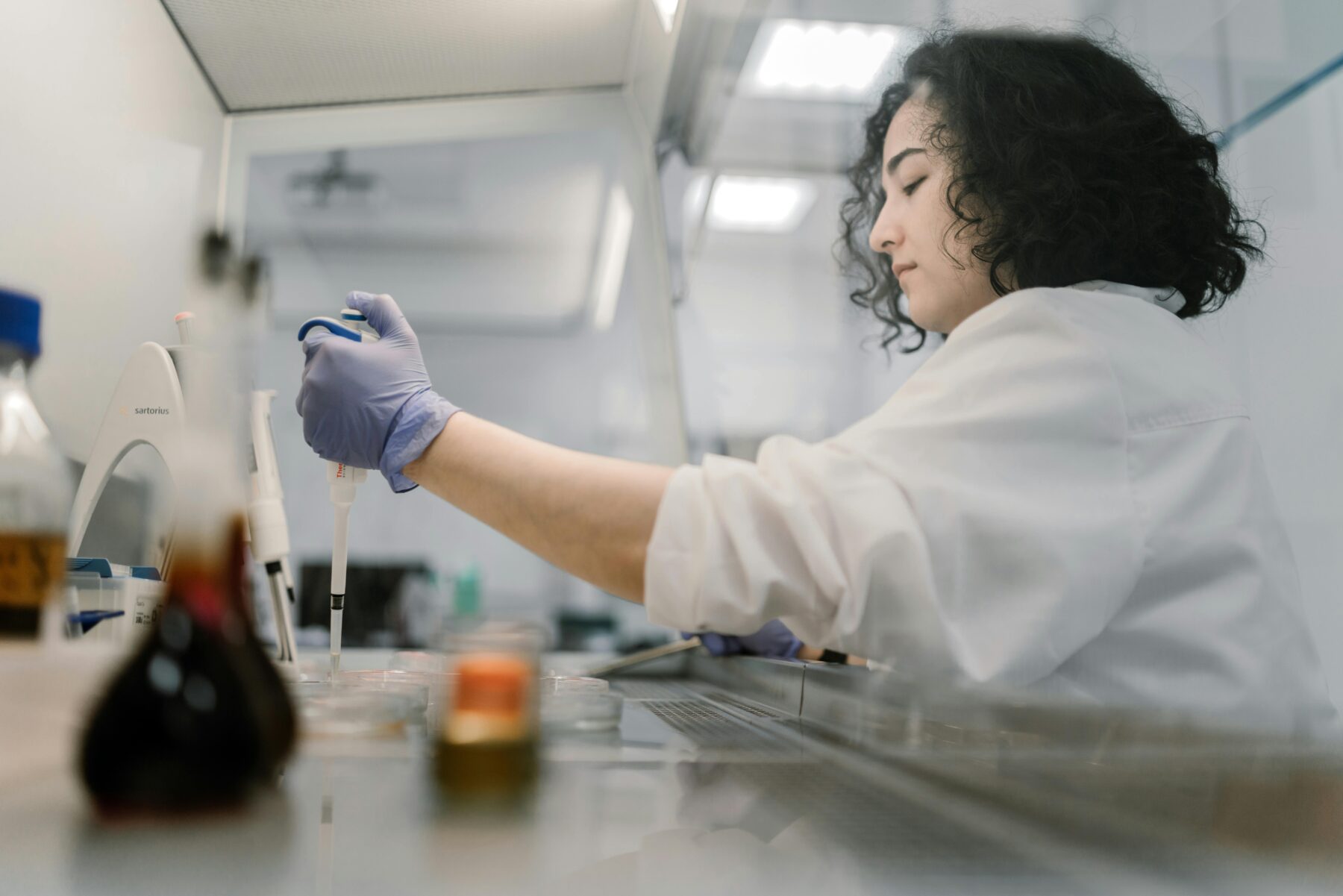
In recent years, the concept of stem cell banking has gained traction, with more families recognizing the potential of these powerful cells. Storing stem cells is more than a trend, it’s an investment in health that could one day be transformative, offering hope for treating serious conditions and even playing a role in personalized medicine.
But what exactly does stem cell banking involve? How can it benefit you or your loved ones? Here’s a deep dive into the science, the process, and why it’s something many people are considering.
What is Stem Cell Banking?
Stem cell banking is the process of collecting and storing stem cells for potential future use. These cells, found in sources like cord blood, bone marrow, and even fat tissue, have unique regenerative properties, meaning they can develop into various types of cells and help repair or replace damaged tissues in the body. Whether you’re a parent considering cord blood storage or an individual looking to store your own stem cells, the concept is all about preserving a part of yourself that may be able to regenerate health when it’s most needed. In our practice, 50cc of fat are harvested from the love handles and sent to our FDA registered lab, where your stem cells will be harvested and multiplied for future use. The procedure is painless, quick, and easy with minimal bruising lasting several days.

Types of Stem Cells
Stem cells come in different types, each with unique properties. The most commonly stored stem cells in banking are hematopoietic stem cells (HSCs), which are typically found in cord blood and can differentiate into blood and immune cells. Another type, mesenchymal stem cells (MSCs), is found in bone marrow and adipose tissue and can transform into cells like bone, cartilage, and fat cells. The type of stem cell stored can influence the potential applications it may have in future medical treatments.
How Stem Cells Work in the Body
Stem cells act as the body’s internal repair system. When the body experiences damage or disease, stem cells are activated to regenerate and repair tissues. This regenerative ability has far-reaching implications, from replenishing blood cells in cancer patients to potentially reversing damage in neurodegenerative diseases like Parkinson’s. The ability to store these cells and have them on hand for future medical applications is what makes stem cell banking so appealing.
Why Stem Cells? Understanding Their Potential
Stem cells are often referred to as the body’s “master cells” because they’re foundational to the body’s ability to regenerate and heal. Unlike other cells, stem cells have the ability to divide and develop into different types of specialized cells, such as blood, muscle, or brain cells. This unique characteristic makes them incredibly valuable for treating injuries and diseases, which is why they’re at the forefront of regenerative medicine.
Current and Future Applications of Stem Cells
Stem cells are already being used to treat a variety of diseases, especially those involving the blood and immune system. Here’s a look at their current and potential uses:
- Blood Disorders: Conditions like leukemia and sickle cell anemia are often treated with stem cell transplants, replacing damaged or diseased blood cells with healthy ones.
- Neurological Recovery: Researchers are exploring how stem cells could be used to repair brain injuries, treat spinal cord damage, and potentially slow neurodegenerative conditions like Parkinson’s and Alzheimer’s.
- Autoimmune Conditions: Stem cells have shown promise in modulating the immune system, offering relief for conditions like rheumatoid arthritis and lupus.
- Regenerative Medicine and Anti-Aging: Stem cells are being studied for their ability to promote tissue repair and rejuvenation, making them a promising tool in anti-aging treatments and aesthetic medicine.

The Process of Stem Cell Banking
If you’re considering stem cell banking, it’s natural to wonder what the process looks like. Here’s a step-by-step overview:
- Collection For those storing cord blood stem cells, collection happens right after childbirth. A medical professional collects blood from the umbilical cord, which is then sent to a specialized lab for processing and storage. For adults, stem cells can also be collected from bone marrow or adipose tissue (fat) through minor procedures.
- Processing The collected stem cells are processed and cryopreserved (frozen at very low temperatures), ensuring they remain viable for years or even decades.
- Storage The stem cells are stored in secure, monitored facilities where they can be kept for extended periods. This means they’ll be ready for use if needed down the line.
Benefits of Stem Cell Banking for Families
Stem cell banking is sometimes called a form of “biological insurance” because it can provide a safety net for families. The collected cells are a perfect genetic match for the donor, and they may also be compatible with siblings or other family members, offering unique benefits like:
- Genetic Match for Treatment: Stored stem cells can be used for a variety of treatments without the risk of rejection, as they come from the patient’s own body.
- Future Flexibility: As regenerative medicine continues to develop, new treatments may emerge, making stored stem cells even more valuable.
- Expanded Treatment Options for Family: In many cases, stored stem cells are a good match for siblings, providing an invaluable resource if a family member develops a condition treatable by stem cell therapy.
Why Regenerative Medicine LA for Stem Cell Therapy and Banking?
Stem cell banking is a decision that combines science and personal investment in health, and choosing the right facility is crucial. At Regenerative Medicine LA, our goal is to make this process seamless and accessible. With our commitment to cutting-edge regenerative therapies and personalized care, we strive to make stem cell banking an experience that empowers our patients for the future.
Our Approach to Stem Cell Therapy
Stem cell therapy isn’t just about storing cells for later use; it’s also about using them to address immediate health issues. At Regenerative Medicine LA, we take a comprehensive approach to regenerative health. Whether you’re managing a chronic condition, seeking pain relief, or looking to slow the effects of aging, we integrate stem cell therapy into personalized treatment plans that promote whole-body wellness.
Here’s a glimpse of how we use stem cell therapy in our Los Angeles practice:
- Pain Management and Joint Health: For patients struggling with chronic pain or joint degeneration, stem cells can reduce inflammation and promote tissue repair. This is often a welcome alternative to invasive surgeries or long-term pain medications.
- Autoimmune and Immune Support: Stem cell therapy can help modulate the immune system, which is particularly useful for autoimmune conditions. By balancing immune responses, stem cells can offer relief from symptoms and help the body heal.
- Cognitive and Neurological Health: Research on stem cell therapy for brain health is exciting, especially for those facing the effects of injuries or degenerative brain conditions. Our therapies focus on supporting brain function and cognitive health through regenerative means.

Cost Considerations and the Value of Stem Cell Banking
While stem cell banking involves initial fees and ongoing storage costs, many families see it as a worthwhile investment for the future. The costs can vary based on the facility, length of storage, and additional services, but for many, the value of knowing that these regenerative cells are preserved outweighs the expense. At Regenerative Medicine LA, we offer transparent pricing and consultations to help families make an informed choice about their investment in health.
The Future of Health with Stem Cell Banking
Stem cell banking is more than a trend; it’s a step into the future of medicine. As regenerative health advances, the potential uses for stem cells will likely expand, offering options for conditions that currently have limited treatments. By preserving these cells today, families can access life-changing therapies that could support and even restore health in the years to come.
At Regenerative Medicine LA, we’re here to support every step of your journey with stem cell banking, from initial consultation to personalized treatment. Whether you’re banking for future security or seeking current regenerative therapies, we’re committed to helping you achieve optimal health and wellness for years to come. Contact our team for a consultation today!
Disclaimer: Stem cell therapy offered at Regenerative Medicine LA is investigational and is provided under an Institutional Review Board (IRB)-approved study.