
Psoriasis, a chronic autoimmune condition, can cause significant discomfort and impact an individual’s quality of life. At Regenerative Medicine LA, led by Dr. Mark Ghalili, we offer advanced, innovative treatments that go beyond traditional therapies. Our focus is on harnessing the power of regenerative medicine to not only manage symptoms but also promote long-term healing and skin health.
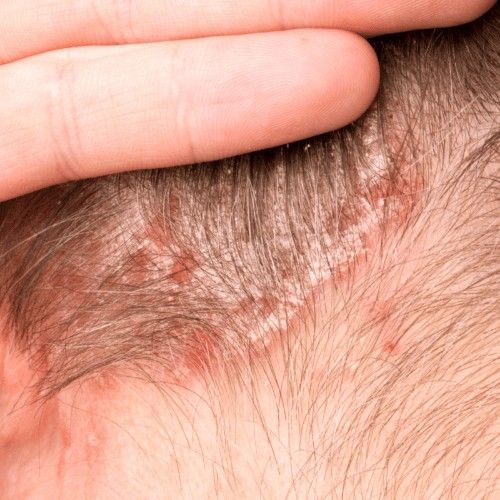
Psoriasis is a chronic inflammatory skin condition characterized by the rapid buildup of skin cells, leading to scaling on the skin’s surface. These patches are often red, itchy, and can sometimes crack and bleed. Psoriasis is an autoimmune disorder, meaning it results from the body’s immune system attacking healthy skin cells by mistake.
Dr. Mark Ghalili, DO, is a board-certified internal medicine physician and the founder of Regenerative Medicine LA. After experiencing life-changing fluoroquinolone toxicity himself, Dr. Ghalili used his medical training, and personal recovery journey, to pioneer advanced regenerative treatments for patients worldwide. Today, he is recognized as one of the leading experts in mitochondrial repair and IV therapy, having helped thousands of patients reclaim their health and quality of life.
Emotional and physical stress can significantly impact the immune system, leading to psoriasis flare-ups. Managing stress through techniques such as mindfulness, meditation, and regular exercise can help reduce the frequency and severity of flare-ups.
Known as the Koebner phenomenon, injuries to the skin such as cuts, scrapes, sunburn, or even tattoos can trigger psoriasis lesions at the site of the injury. Protecting the skin and treating any injuries promptly can help minimize this risk.
Certain infections, particularly streptococcal throat infections, can trigger or worsen psoriasis. Viral infections have been known to suppress immune system function leading to a psoriasis flare.
Some medications, including beta-blockers, lithium, and antimalarial drugs, can induce or exacerbate psoriasis symptoms. It’s important to discuss all medications with your healthcare provider to understand their potential impact on your condition.
The overuse of steroids suppress the immune system and may lead to future psoriasis flare ups once the steroid is discontinued.
Cold, dry weather can dry out the skin and trigger psoriasis flare-ups. Using moisturizers and protecting the skin from harsh weather conditions can help manage symptoms.
Both alcohol consumption and smoking can worsen psoriasis and trigger flare-ups. Reducing or eliminating these habits can lead to better management of the condition.
By identifying and avoiding these triggers, individuals with psoriasis can better manage their symptoms and reduce the frequency of flare-ups.
By identifying and avoiding these triggers, individuals with psoriasis can better manage their symptoms and reduce the frequency of flare-ups.
Our Immune Modulating Biohacking program works by resetting the immune response, reducing inflammation, and encouraging the regeneration of healthy skin tissue. They release bioactive molecules that help repair damaged skin and restore normal cellular functions. The gut microbiome plays a large role with the representation of skin lesions as well. We take the whole body into account.
See the 5 Day Regenerative Program in Action- Includes Dr. Ghalili’s customized IV protocols for full body detoxification, proper cellular functioning, mitochondrial healing, and ultimate reduction of inflammation within the body.
Anna had been dealing with severe psoriasis for over 15 years, with extensive scaling and discomfort. After undergoing treatment at Regenerative Medicine LA, she experienced a significant reduction in symptoms and an improvement in skin texture. Her confidence and quality of life have greatly improved, and she continues to maintain her results with periodic follow-up treatments.
James struggled with chronic psoriasis that affected his joints and skin. Traditional treatments provided minimal relief. After starting a regenerative therapy program, including customized IV therapies and other treatments, he noticed a substantial decrease in inflammation and pain, allowing him to resume his daily activities without discomfort.
Yes, there are several natural approaches to managing psoriasis that can complement medical treatments and help alleviate symptoms. Dr. Ghalili believes a healty gut leads to a healthy life. Overgrowth of certain bacteria in the gut are associated with Psoriasis, therefore maintaining proper gut health through supplements/diet/lifestyle are imperative to controlling outbreaks. A balanced diet rich in anti-inflammatory foods such as fruits, vegetables, whole grains, and omega-3 fatty acids can help reduce inflammation and improve overall skin health. Avoiding trigger foods like processed foods, seed oils, and gluten can also be beneficial. Since stress is a major trigger for psoriasis, incorporating stress-reducing practices into daily life is crucial. Techniques such as yoga, meditation, deep breathing exercises, and regular physical activity can help manage stress levels.
If you are suffering from psoriasis and seeking innovative treatments, taking the first step towards regenerative medicine can be life-changing. Here’s how to get started at Regenerative Medicine LA:
All your psoriasis questions answered.
Currently, there is no complete cure for psoriasis. However, the advanced treatments offered by our team at Regenerative Medicine LA can significantly manage and reduce the symptoms, leading to long-term remission and improved quality of life. Regenerative therapies focus on healing and restoring the body’s natural balance, offering hope for sustainable management of psoriasis. While a complete cure remains elusive, these innovative approaches provide the best opportunity for achieving substantial and lasting relief from the condition.
The newest treatments for psoriasis include innovative regenerative therapies that harness the body’s natural healing abilities. These treatments aim to modulate the immune system, reduce inflammation, and promote the regeneration of healthy skin cells. By targeting the underlying causes of psoriasis, these therapies offer the potential for long-lasting relief and significant improvements in skin health.