
Stem cell therapy is one of the most promising areas of modern regenerative medicine. Instead of masking symptoms with medications or relying on aggressive procedures, this treatment uses your own cells to support healing from the inside out. Adult stem cells naturally live in your fat and bone marrow, where they help repair injuries, calm inflammation, and maintain healthy tissue over time. Call our office in Beverly Hills, Los Angeles for trusted stem cell guidance & treatment plans.
Stem Cell Treatments We Offer
Stem cell therapy is changing the way we approach healing
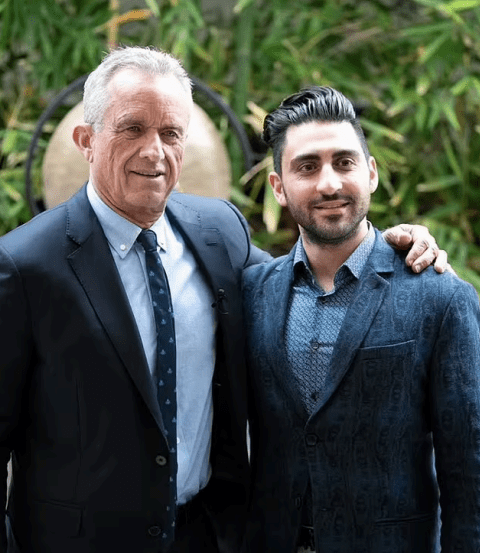
Dr. Mark Ghalili combines medical expertise, lived patient experience, and advanced regenerative protocols to help patients recover from injuries, reverse damage, and explore options when conventional medicine has failed.
Whether you are dealing with joint pain, neurological conditions, or chronic disease, stem cell therapy offers a natural, science-backed approach to repair and regeneration.
Importance of Working with an Experienced Stem Cell Doctor
You need to choose a stem cell doctor in Los Angeles like Dr. Ghalili who has real medical expertise and and can provide honest guidance. This plays major role in how well a patient responds to treatment. Adult stem cell therapy requires extensive medical training, precise technique, and years of hands-on experience. Not every clinic offering “stem cell therapy” has this foundation. Many providers complete short courses or perform these procedures only occasionally, which can lead to inconsistent or unsafe results.
At Regenerative Medicine LA, stem cell injections are a core focus of the practice rather than a secondary service. All procedures are performed by Dr. Mark Ghalili using image-guided precision and a structured clinical protocol designed to ensure safety and maximize therapeutic outcomes. This includes careful evaluation, responsible candidacy screening, sterile harvesting, specialized cell processing, and targeted injections guided by ultrasound or fluoroscopy.
Dr. Mark Ghalili, DO is a board-certified physician and nationally recognized leader in regenerative medicine. He has treated thousands of patients who travel from across the United States and internationally with stem cell–based protocols, ranging from orthopedic injuries to complex systemic and neurological conditions. His personal recovery from fluoroquinolone toxicity gives him a unique understanding of the patient experience and informs his approach to compassionate, evidence-guided care.
Our daily practice is dedicated to regenerative treatments, making Dr. Ghalili one of the few physicians in Los Angeles with both the volume and experience required for complex cases.
How We Source and Prepare Your Stem Cells at Our Clinic
At Regenerative Medicine LA, we use autologous stem cells, meaning the cells come directly from your own body. This approach is safer, more predictable, and better supported by real clinical experience than using donor, umbilical cord, or lab-expanded cells.
For most patients, the strongest and most abundant source of adult mesenchymal stem cells (MSCs) is adipose tissue. Fat contains exceptionally high concentrations of regenerative cells and can be collected comfortably under local anesthesia. Compared to bone marrow, adipose tissue offers far more MSCs with far less discomfort and a lower risk of complications.
Once the adipose sample is collected, it is processed into a concentrated solution of your own regenerative cells. These autologous MSCs are then returned to the areas of injury or dysfunction using image-guided precision. Because they are your own cells, they integrate safely, help regulate inflammation, support blood flow, and contribute to tissue repair.
Using your own stem cells eliminates the risks associated with donor products and ensures that every step of treatment is performed in a controlled, physician-led medical setting.
Our Full Stem Cell Treatment Process Explained
Stem cell therapy is performed in-office, usually in a single visit. The goal is to harness the body’s own regenerative potential by concentrating your cells and delivering them precisely where they are needed. Here’s what to expect:
Consultation and Planning
Every treatment begins with a thorough consultation. We review your medical history, imaging, and overall goals to confirm candidacy and create a tailored plan.
Harvesting
A small sample of adipose tissue (fat) or bone marrow is collected under local anesthesia. Adipose tissue is often preferred because it contains a higher concentration of mesenchymal stem cells (MSCs) and is less invasive to collect.
During harvesting, the cells are carefully extracted to minimize trauma. This ensures we preserve the maximum number of healthy, viable cells.
Processing
The harvested tissue is then processed using specialized techniques to separate and concentrate the stem cells from the surrounding material. In most cases, collagenase or other safe enzymes are used to release MSCs from adipose tissue.
The result is a purified and highly concentrated solution of regenerative cells that can be reintroduced into your body. This step is critical, as a higher-quality cell concentration is associated with stronger outcomes.
Image-Guided Injection
The concentrated cells are injected directly into the targeted joint, tendon, spine, or other affected tissue using ultrasound or fluoroscopic guidance. Imaging ensures precise placement , the closer we are to the actual site of injury or degeneration, the greater the potential benefit.
Once injected, the stem cells immediately begin interacting with the surrounding environment. They do not simply “become” new tissue. Instead, they release powerful signaling molecules known as growth factors and cytokines. These signals:
- Reduce inflammation in the local area
- Recruit other healing cells to the site of injury
- Stimulate the formation of new blood vessels (angiogenesis)
- Encourage local tissue-specific cells to repair and regenerate
Over time, some stem cells may also differentiate into cartilage, bone, tendon, or muscle cells, directly contributing to tissue repair.
Recovery and Ongoing Healing
Most patients go home the same day. Mild soreness or swelling can occur for a few days. Unlike surgery, downtime is minimal, and patients often resume light activity quickly.
Improvements are not instant. Healing is progressive , many patients notice changes in the first few weeks, but maximum benefit is usually seen over 3 to 12 months as the regenerative process continues. During this time, stem cells continue to reduce inflammation, stimulate tissue growth, and remodel damaged structures.
In summary, stem cell therapy works by amplifying your body’s natural healing mechanisms. Instead of masking symptoms with medication, it addresses the root cause of damage by repairing and regenerating tissue at the cellular level.

What Is Stem Cell Harvesting?
Harvesting means collecting your own cells. In our clinic, this is usually done by taking a small sample of fat through a minimally invasive procedure under local anesthesia. The fat is then processed to isolate and concentrate stem cells. Think of it like gathering your body’s repair crew and sending them exactly where they are needed. Because the cells come from your own body, the risk of rejection is very low. Learn more about Stem Cell Harvesting.
Stem Cell Treatments We Offer
Below are common areas we treat. Each explanation is designed to help you understand how stem cell therapy may work for your condition.
Stem cells for knees
Stem cells injected into the knee can reduce inflammation, stimulate cartilage repair, and improve joint lubrication. This makes it especially helpful for osteoarthritis and meniscus injuries. Many patients delay or avoid knee replacement, reporting reduced pain and improved mobility within months of treatment. The best candidates are those with mild to moderate degeneration rather than bone-on-bone arthritis. Learn more about Stem Cell Therapy for Knees.
Stem cells for shoulders and rotator cuff injuries
Targeted injections into damaged tendons or cartilage help support repair and reduce pain from partial rotator cuff tears, labral damage, or arthritis. By enhancing local healing, stem cells often restore range of motion and strength for everyday activity and athletics. Complete tendon tears usually still require surgery, but regenerative therapy can be a powerful alternative for partial injuries.
Stem cells for back pain and spine conditions
Stem cells can be injected near painful facet joints, discs, or sacroiliac joints to calm inflammation and support repair of degenerative tissue. Conditions like degenerative disc disease and facet arthritis often respond well. While they cannot fully rebuild a collapsed disc, many patients see meaningful relief in pain and mobility when guided injections are placed precisely at the source of pain.
Stem cells for hips
Stem cell therapy for hips can improve pain and function in arthritis, labral tears, and impingement-related injuries. Injections support cartilage and soft tissue repair, often helping patients walk longer distances or return to activity without surgery. Many choose this therapy to delay or avoid hip replacement surgery.
Stem cells for neurological conditions
In stem cell protocols for multiple sclerosis, traumatic brain injury, or stroke, stem cells may release factors that reduce inflammation and promote neural repair. Some patients report improvements in balance, strength, or fatigue, although results vary widely. These uses are still considered investigational and require careful case-by-case evaluation.
Stem cells for autoimmune disorders
Stem cells have the unique ability to calm an overactive immune system. By reducing chronic inflammation, they may help conditions such as rheumatoid arthritis, Lyme disease, lupus, or Crohn’s disease. While promising, these applications remain investigational, and treatment plans are personalized to each patient’s disease activity and history.
Stem cells for lung and heart condition
In investigational programs, stem cells have shown potential to support blood vessel growth and reduce scarring in conditions like COPD, pulmonary fibrosis, or heart failure. Patients may experience improvements in breathing capacity or exercise tolerance. Because these are advanced applications, transparency and patient selection are essential.
Stem cells for antibiotic toxicity
Dr. Ghalili is internationally recognized for his work treating fluoroquinolone toxicity with regenerative medicine. Stem cell therapy in this setting focuses on repairing mitochondrial injury, calming nerve pain, and restoring overall function. Many patients require a series of treatments and gradual recovery, but these protocols have offered hope when conventional medicine had none.
Stem cells for hair loss and skin regeneration
Stem cells and growth factors can stimulate dormant hair follicles, improve scalp circulation, and encourage new growth in androgenic alopecia and thinning hair. For skin, stem cells promote collagen production and tissue repair, helping with scars, wound healing, and overall skin quality. Cosmetic improvements often require multiple treatments for best results. Learn more about stem cells for hair growth.
Are There Risks to Stem Cell Therapy?
Stem cell therapy is generally safe, but all medical treatments carry risks. Common effects include temporary soreness, bruising, or swelling at the injection site. Rare risks include infection or lack of response. Many disease-related uses remain outside FDA approval. We prioritize informed consent and realistic expectations.
Does stem cell therapy ever not work?
Yes. Outcomes vary based on diagnosis, severity, biology, and adherence to the plan. Some patients experience partial improvement. Some experience little to no change. We discuss likely ranges up front.
 What Else Should I Know About Stem Cell Therapy Before Getting It?
 What Else Should I Know About Stem Cell Therapy Before Getting It?
- Improvements build over time as tissues remodel. Many patients see progress within weeks, with continued gains over several months.
- Image-guided accuracy improves placement and outcomes.
- Autologous cells lower the risk of rejection.
- You should pause certain medications before and after treatment if instructed.
- A comprehensive plan that includes rehab, sleep, nutrition, and movement habits often improves results.
How Much Does Stem Cell Treatment Cost and Does Insurance Cover It?
On average, stem cell therapy costs around $10,000 dollars per procedure. Pricing varies by condition and complexity. Insurance rarely covers stem cell therapy because many applications are considered investigational. Financing or payment plans may be available. Ask our team for details.
Call to Book A Consultation or Ask More Questions on Stem Cells
When it comes to regenerative medicine, experience and outcomes matter. Dr. Mark Ghalili is a trusted leader who treats patients from Los Angeles and around the world. If you are ready to explore whether stem cell therapy can help you, call 855-437-7836 or request your consultation online today.
Clinical Studies & Stem Cell References
-
- Stem cells’ ability to form bone and cartilage makes them potentially highly effective in the treatment of degenerative orthopedic conditions. Their ability to form new blood vessels and other tissues makes them suitable for modifying a large number of traumatic and degenerative conditions. In a recent study research showed that cells from adipose tissue could regenerate cartilage-like tissue in human osteoarthritis (OA) patients.1
- Multiple case studies show significant improvement in patient pain and mobility levels after stem cell administration in the joints. Mesenchymal cells have resulted in pain and functional improvement in a number of preclinical and clinical trials. Importantly, recent limited case series evidence has shown regrowth of cartilage volume and disease modification following cell injections.2
- A case series of 339 patients, reporting that of those patients requiring total knee replacement (69 %) only 6.9 % still required replacement surgery after cell therapy. Sixty percent of patients reported greater than 50% pain relief and 40% reported >75 % pain relief at 11 months.3 Based on this clinical data, we believe in offering cell therapy to minimize the need for surgical intervention in Osteoarthritic patients. Stem cells work by differentiating into daughter cells and transforming into specialized cells that form various types of connective tissues. Mesenchymal stem cells play a crucial role in repairing injuries and facilitating the formation of new blood vessels, which speeds up healing and aids in pain reduction.
- Several studies have demonstrated that stem cells can improve functional recovery after a stroke in rats. This recovery occurs when the MSCs are delivered by IV infusion 24 hours post-stroke.4 In addition, delayed delivery of cells, even up until one month post-stroke, can also improve long-term functional outcome.5 Multiple studies are making the association with improved motor function, improved memory, neural cell replacement, & anti-inflammatory effects. Mesenchymal Stem Cells have been shown to be still effective when administered 1 week after Traumatic Brain Injury.6
- Four major studies on Mesenchymal Stem Cells and wound healing show histological findings with enhanced wound healing compared to control treatment. This can be beneficial for millions of individuals suffering from chronic ulcers and wounds.7
- In a study conducted by the team at the Cell Surgical Network, preliminary results show dramatically improved brain cognition in rats receiving IV stem cell therapy deployment after a traumatic induced brain injury. Multiple studies are showing improved motor function, improved memory, neural cell replacement, & anti-inflammatory regulation. Mesenchymal Cells have been shown to be still effective when administered 1 week after Traumatic Brain Injury.Combining cells with lipid lowering supplements significantly enhanced vessel-to-tissue ratio in animals treated with a combination therapy. Newly proliferating vascular endothelial cells are known to produce an array of growth factors, which can promote the survival of mesenchymal cells. These published and recognized studies show significant improvement post-concussion and can be made available to professional athletes in the UFC and NFL for instance that are prone to concussions.
Meet Dr. Mark Ghalili
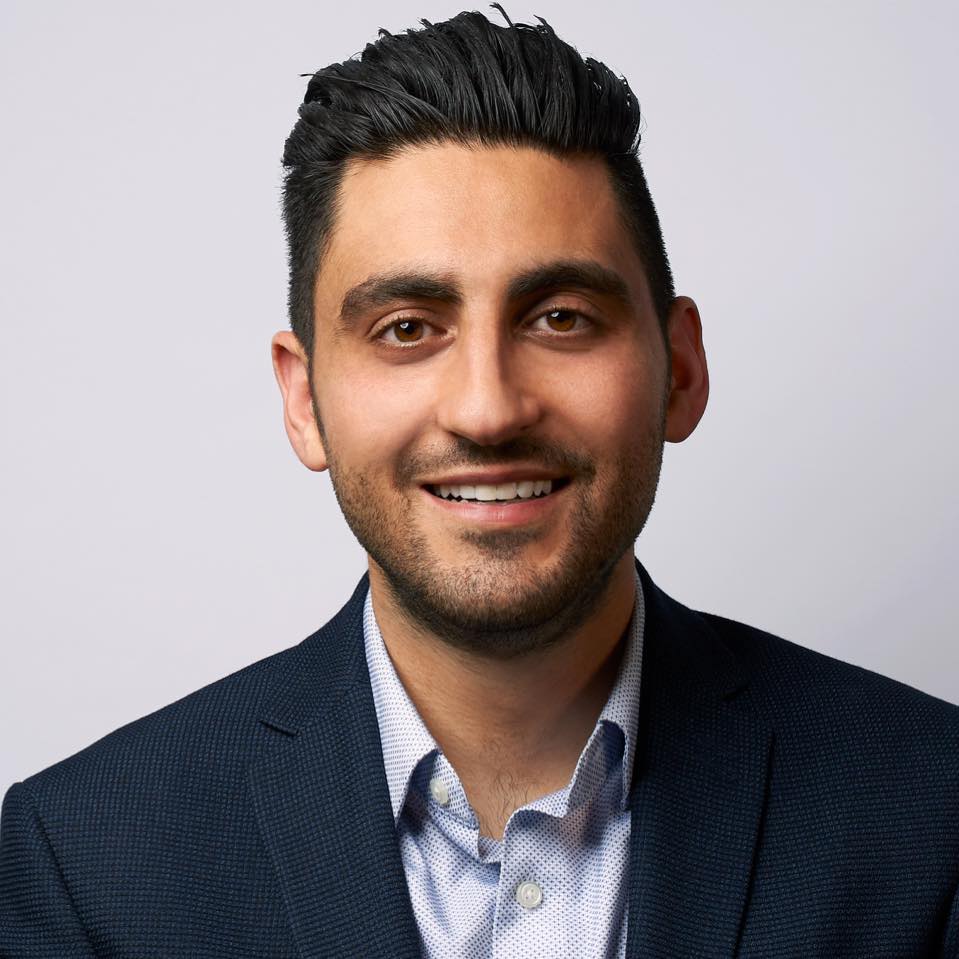
Dr. Mark Ghalili, board-certified in internal medicine, is the founder of Regenerative Medicine LA. A recognized leader in stem cell therapy and regenerative medicine, he combines medical expertise with personal experience to help patients restore health and mobility.
See if Regenerative Medicine is Right for You
Get A Free ConsultationCall Us At: 855-437-7836
LOS ANGELES STEM CELL THERAPY:
Regenerative Medicine LA
9201 Sunset Boulevard, Ste 414
West Hollywood
Los Angeles, CA 90069
CONTACT:
Phone: 855-437-7836
Fax: (800) 983-4902
OFFICE HOURS:
Monday – Friday: 9:00 am – 5:00 pm
Saturday & Sunday: Closed
Additional Resources for Stem Cell Therapy
Stem Cell Therapy FAQ
How Much Does Stem Cell Therapy Cost?
Stem Cell Therapy can range in price depending on the condition and what is being treated. Typically, to harvest adipose tissue and spend several hours harvesting your stem cells by a specially trained physician will cost under $10,000.
Where Do Adult Stem Cells Come From?
The adult stem cells used for your therapy come from your own body. Fat cells are rich sources of mesenchymal stem cells. Dr. Ghalili can remove a small sample of your fat, process it in the office to remove mesenchymal stem cells, then use those cells for your injection.
What Conditions Are Treated With Stem Cell Therapy?
Stem cell therapy is frequently used to treat musculoskeletal conditions, such as damaged cartilage; muscle, ligament, and tendon tears; and inflammatory joint conditions like arthritis and bursitis.
Facial Rejuvenation using stem cells has led to incredible transformations. Many studies are testing the efficacy of stem cell therapy for treating illnesses such as fibromyalgia, diabetes, heart disease, lung disease, inflammatory bowel disease, complex regional pain syndrome, and chronic pelvic pain.
Does Stem Cell Therapy Work?
Stem Cell Therapy is not a drug made by the pharmaceutical industry. Therefore, nobody is allowed to make a claim that stem cells can work. However, the Cell Surgical Network has performed over 12,000 stem cell cases and the data overwhelmingly shows significant improvement in clinical outcomes. For example, Orthopedic joint patients experienced a 78% success rate in improvement of their symptoms. Chron’s disease showed an 80% success rate in symptom improvement.
Is Stem Cell Therapy Safe?
Stem Cells from your own adipose have proven to be safe because they come from your own body. Now, umbilical cord stem cells can cause grave danger as your body may produce antibodies to attack the antigens on those umbilical cord stem cells, leading to an autoimmune reaction, inflammation, and a cascade of other problems. Since this is coming from your own body, it is your own cells, and no chance of rejection.
The stem cells are passed through multiple micron filters, and our network has had zero cases of a pulmonary embolism or blood clot. The only case that has ever gone wrong in the history of adipose tissue stem cells was when a doctor decided to inject a patient’s eye with their own stem cells. If you understand how stem cells work, they recruit growth factors and cytokines to areas of injury. When that occurs, you can have pulling of the retina which can lead to retinal detachment.
If you were to inject them into a joint, you want to have growth factors and cytokines to heal the area of injury, however in the eye, due to anatomy, this process may pull the retina and lead to vision loss. This is the one case the FDA harps upon in order to stop proven adipose stem cell therapy from continuing in America because they can not make your cells into a drug and create billions in profit.
Is Stem Cell Therapy Legal?
Stem Cell Therapy is registered with the Institutional Review Board as is heavily monitored by the FDA. Currently, it is legal to receive stem cell therapy in the United States.
How Is Stem Cell Therapy Done?
Stem Cells are extracted from a patient’s adipose tissue or love handles, not only do you receive millions of your own body’s stem cells at once, we also remove some of the fat, so it’s a win-win situation. The flank portion of the back is numbed with cream and then lidocaine, all while you are awake, and is completely painless. Once you are numb, we suction 50cc of fat or less than 2 ounces and from there we centrifuge the stem cells from the remaining fat and blood through a proprietary process that is registered with the IRB and the FDA. Once the Stem Cells are completely separated through this tedious and careful process, they can be reintroduced right back into your body the same day.
Is stem cell therapy permanent?
Stem cell therapy can provide long-lasting relief and improvements in many cases, but it may not be permanent. The longevity of the benefits can vary based on the individual’s condition, the type of therapy used, and the body’s response to treatment. While some patients experience significant and sustained improvement, others may require follow-up treatments to maintain optimal results.
How do you qualify for stem cell therapy?
To qualify for stem cell therapy, a thorough evaluation by a qualified specialist is necessary. This typically involves a review of your medical history, current health status, and specific condition. The therapy is often considered for individuals with chronic or degenerative conditions that have not responded well to conventional treatments. Your eligibility will depend on factors such as the nature of your condition and overall health.
Who is not a candidate for stem cell therapy?
Not everyone is a candidate for stem cell therapy. Individuals with certain medical conditions, such as active infections, severe autoimmune diseases, or advanced cancer, may not be suitable for the therapy. Additionally, patients who have specific contraindications or are not in good overall health may be advised against undergoing stem cell treatments. A comprehensive evaluation by a specialist will determine if stem cell therapy is appropriate for you
Do stem cells work immediately?
Stem cells do not typically provide immediate results. The healing process initiated by stem cell therapy can take time as the cells begin to repair and regenerate damaged tissues. Most patients start to notice improvements within a few weeks to months after treatment, depending on the condition being treated and the individual’s response to the therapy.
How long do stem cell injections last?
The effects of stem cell injections can vary widely among patients. Generally, the benefits of stem cell injections can last for several months to years, depending on the condition being treated and the individual’s healing response. Follow-up treatments may be necessary to sustain or enhance the therapeutic outcomes over time. Regular assessments by your healthcare provider will help determine the longevity and effectiveness of your injections.
1. J, Pak. Regeneration of Cartilage in Human Knee Osteoarthritis with Autologous Adipose Tissue-Derived Cells and Autologous Extracellular Matrix. Biores Open Access. 2016; 5(1): 192–200.
2. J, Freitag. Mesenchymal cell therapy in the treatment of osteoarthritis: reparative pathways, safety and efficacy – a review. BMC Musculoskelet Disord. 2016; 17: 230.
3. Centeno CJ, Schultz JR, Cheever M, Robinson B, Freeman M, Marasco W. Safety and complications reporting on the re-implantation of culture-expanded mesenchymal cells using autologous platelet lysate technique. Curr Cell Res Ther. 2010 Mar; 5(1):81-93.
4. Chen J, Li Y, Wang L, et al. Therapeutic benefit of intravenous administration of bone marrow stromal cells after cerebral ischemia in rats. Stroke 2001;32(4):1005-11.
5. Shen LH, Li Y, Chen J, et al. Therapeutic benefit of bone marrow stromal cells administered 1 month after stroke. J Cereb Blood Flow Metab 2007;27(1):6-13.
6. Mahmood. A Long-Lasting Benefits after Treatment of Traumatic Brain Injury (TBI) in Rats with Combination Therapy of Marrow Stromal Cells (MSCs) and Simvastatin. Journal of Neurotrauma. 2008 Dec; 25(12): 1441–1447.
7. Isakson, M. Mesenchymal Cells and Cutaneous Wound Healing: Current Evidence and Future Potential.
8. S, Geeta. Transplantation of Human Embryonic Cells in Patients with Multiple Sclerosis and Lyme Disease. The American Journal Of Case Reports. 2016; 17; 944-949.
